
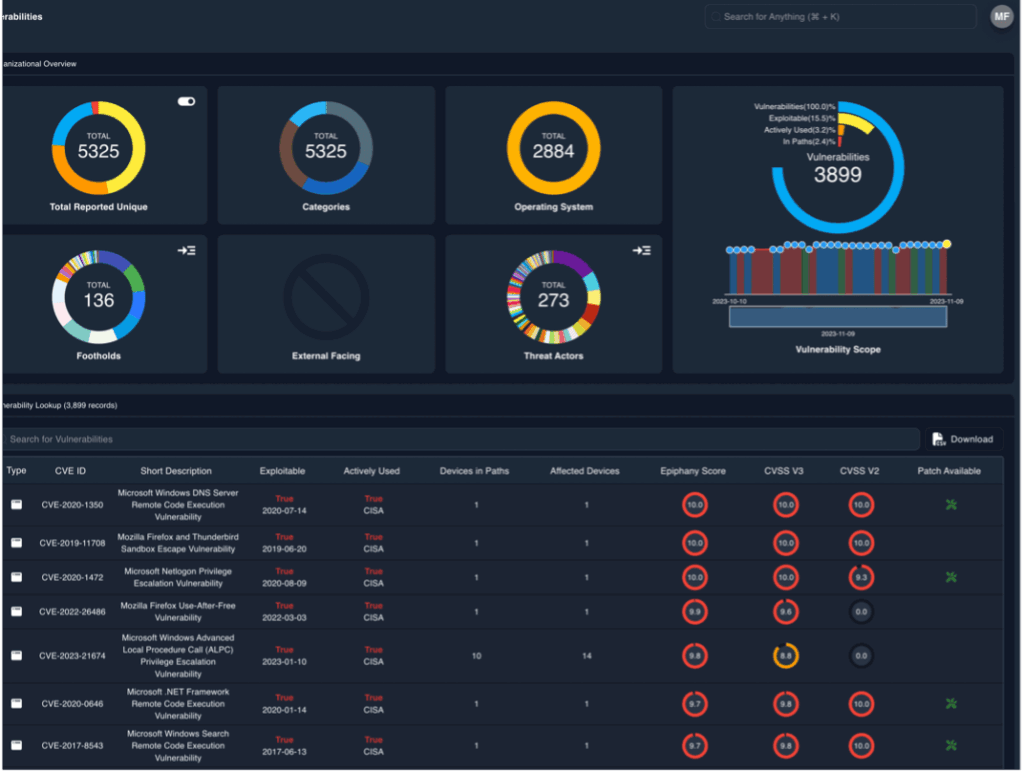
Here is your next ultra–high-value AuditSec Intel™ 1047 post — tightly grounded in real-world failures, board-ready, and perfectly aligned with CISORadar’s “Digital Trust by Design” mission.
🧠 AuditSec Intel 1047 – “The Patch Myth: Why ‘Fully Patched’ Organizations Still Got Breached in 2025”
🔍 Introduction — When Patch Compliance Became a False Sense of Security
Ask any security team after a breach and you’ll hear:
👉 “All systems were fully patched.”
And yet…
the breach still happened.
CISORadar’s Patch Failure Pattern Analysis 2025 uncovered a dangerous reality:
- Organizations focused on patching volume, not patch relevance
- Critical attack paths remained open despite “green dashboards”
- Exploits abused configuration gaps, exposed services, and unpatched dependencies
Patching wasn’t wrong.
But patching alone was never enough.
CISORadar calls this: The Patch Myth.
⚠️ 2025 Case Files — Breaches That Ignored Patch Status
| Sector | Patch Status | Actual Root Cause | Impact |
|---|---|---|---|
| BFSI | 98% patched | Misconfigured VPN + exposed admin port | Credential theft |
| SaaS | Fully patched | Insecure API dependency | Token replay |
| Healthcare | Patch-compliant | Legacy system exception | PHI breach |
| Manufacturing | OS patched | OT firmware unpatched | Ransomware |
| Retail | Monthly patch cycle | Zero exploit path visibility | Web takeover |
CISORadar Insight:
“Attackers don’t exploit patch levels —
they exploit paths.”
🧩 Ignored Control: ISO 27001 A.8.8 / NIST SI-2 — Vulnerability & Patch Governance
| Control Area | Objective | Common Failure |
|---|---|---|
| Patch Prioritization | Fix what matters most | Patch everything equally |
| Asset Context | Know where asset sits in attack path | CMDB not trusted |
| Exposure Awareness | Identify internet-facing risk | Internal-only view |
| Dependency Mapping | Patch libraries & components | Focus only on OS |
| Exception Governance | Control delayed patches | “Temporary” exceptions forever |
| Validation | Verify exploitability reduced | No post-patch testing |
💬 CISORadar Observation:
“A patched system in the wrong place is still vulnerable.”
🧠 CISORadar Control Test of the Week
Control Reference: ISO 27001 A.8.8 / NIST SI-2
Objective: Validate that patching actually reduces real-world exploit risk.
🔍 Test Steps
1️⃣ Identify crown-jewel systems and internet-facing assets.
2️⃣ Map vulnerabilities to real attack paths.
3️⃣ Prioritize patches based on exploitability, not CVSS alone.
4️⃣ Identify unpatched dependencies (libraries, firmware, containers).
5️⃣ Review patch exceptions and aging.
6️⃣ Validate exposure before and after patching.
7️⃣ Correlate patch data with breach intelligence.
8️⃣ Generate CISORadar Patch Effectiveness Index (PEI).
🔎 Expected Outcomes
✅ Patching aligned to real attack paths
✅ Zero high-risk exposed services
✅ Dependency vulnerabilities addressed
✅ Patch exceptions justified and time-bound
✅ Measurable risk reduction post-patch
Tools Suggested:
Qualys | Tenable | Rapid7 | Attack Path Mapping Tools | CSPM | CISORadar Patch Intelligence Matrix
🧨 Real Case: “Fully Patched” — Still Breached
A global enterprise passed its vulnerability audit.
Two weeks later, attackers breached via:
- An exposed admin interface
- A third-party library never scanned
- A patch exception approved 11 months ago
Loss: ₹2,430 Crore.
Lesson:
“Compliance patching ≠ Risk reduction.”
[Note – Fictitious for educational purposes only.]
🚀 CISORadar Impact Model – Patch Effectiveness Index (PEI)
| Metric | Before CISORadar | After CISORadar |
|---|---|---|
| Patch Coverage | 96% | 97% |
| Exploitable Paths | 18 | 0 |
| High-Risk Exceptions | 22 | 1 |
| Dependency Visibility | Low | Full |
| Breach Likelihood | High | Minimal |
🧭 Leadership Takeaway
“Boards shouldn’t ask ‘Are we patched?’
They should ask ‘Are we exploitable?’”
True resilience requires:
👉 Patch prioritization by exposure
👉 Attack-path-driven remediation
👉 Exception accountability
👉 Dependency security visibility
👉 Proof of risk reduction
CISORadar transforms patch chaos into Exploit-Driven Patch Governance™.
📩 Download
Patch Effectiveness Audit Checklist + PEI Scorecard (ISO 27001 A.8.8 / NIST SI-2)
Available inside the CISORadar Cyber Authority Community.
🔗 Join Now → CISORadar Cyber Authority Community
🔖 SEO Tags
#AuditSecIntel #PatchManagement #VulnerabilityManagement #ISO27001 #NISTSI2 #AttackPath #CyberRisk #DigitalTrust #CISORadar #CISOInsights #BreachPrevention
Here are SEO-optimized, comma-separated WordPress tags for AuditSec Intel™ 1047 – The Patch Myth:
Patch Management, Vulnerability Management, Patch Effectiveness, Patch Governance, Patch Myth, Exploit Driven Patching, Attack Path Analysis, Attack Path Mapping, Vulnerability Exploitation, Exposure Management, Risk Based Patching, CVSS Limitations, Dependency Vulnerabilities, Third Party Risk Patching, Firmware Patching, OT Security Patching, Cloud Vulnerability Management, ISO 27001 Patch Management, ISO 27001 A 8 8, NIST SI 2, Cyber Risk Governance, Security Control Effectiveness, Continuous Security Monitoring, Digital Trust Framework, Breach Prevention Strategy, CISO Risk Intelligence, Board Level Cybersecurity, AuditSec Intel, CISORadar, Cybersecurity Audit Checklist, Exploitability Analysis, Zero Trust Security, Security Posture Management
Disclaimer: This post provides general information and is not tailored to any specific individual or entity. It includes only publicly available information for general awareness purposes. Do not warrant that this post is free from errors or omissions. Views are personal
Leave a Reply